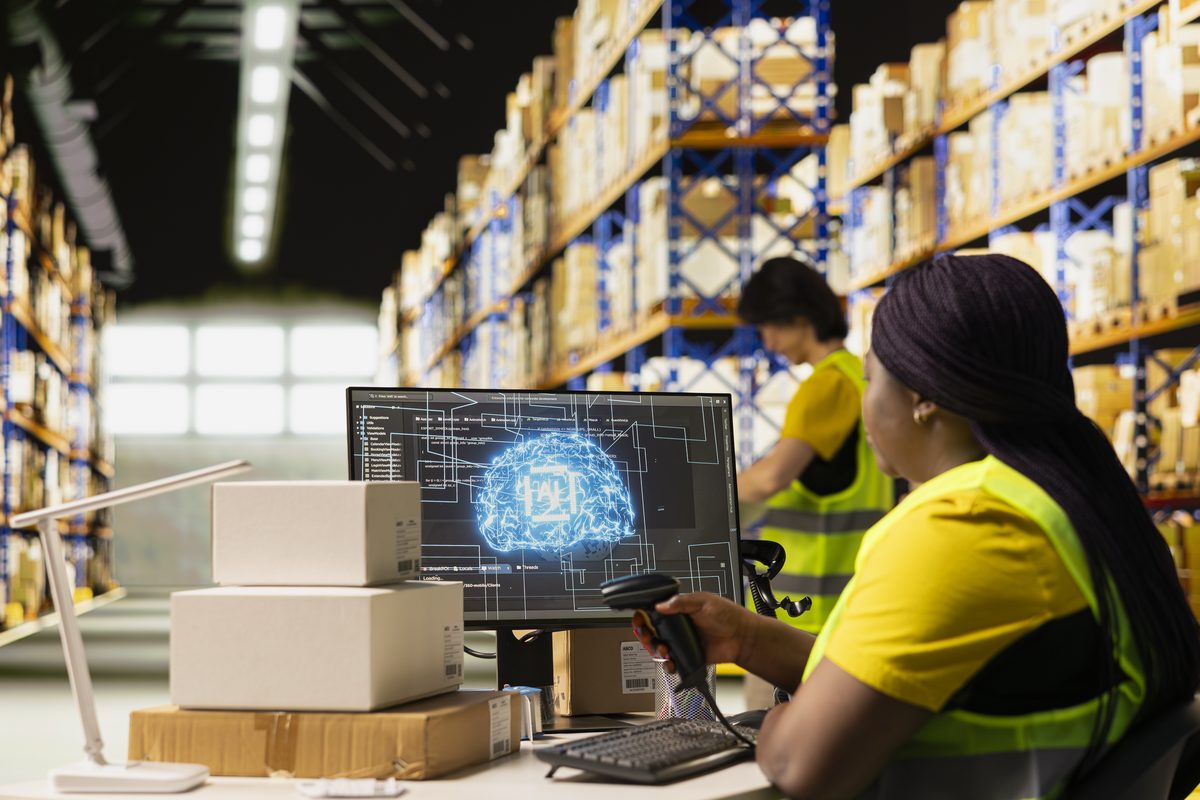
If you run a retail shop, restaurant, or e-commerce store, you already know the pain: too much stock ties up cash, too little stock means lost sales. Traditional inventory management — spreadsheets, gut feelings, and manual counts — simply can't keep up with the pace of modern business.
That's where AI-powered inventory management comes in. In 2026, artificial intelligence isn't just for tech giants. Affordable, easy-to-deploy AI tools are now helping small businesses predict demand, automate reordering, and eliminate the costly guesswork that drains profits every month.
The Real Cost of Poor Inventory Management
Before we look at the solution, let's understand the problem. Studies consistently show that small businesses lose between 20% and 30% of their revenue due to inventory mismanagement. That includes:
- Overstocking: Capital locked in products sitting on shelves, plus storage costs and spoilage risk
- Stockouts: Lost sales when popular items run out — and customers who go to your competitor instead
- Manual errors: Miscounts, data entry mistakes, and delayed reorder decisions
- Time waste: Hours spent on manual stock checks that could be spent growing the business
How AI Changes the Game
AI inventory management tools work by analyzing your historical sales data, seasonal patterns, supplier lead times, and even external factors like weather or local events. Here's what they actually do:
1. Demand Forecasting That Actually Works
Traditional forecasting relies on simple averages — "we sold 50 last month, so we'll order 50 again." AI looks at hundreds of variables simultaneously. It notices that your ice cream sales spike 40% when temperatures exceed 30°C, or that your best-selling product sees a dip every March.
The result? Forecasts that are typically 30-50% more accurate than manual methods. That means fewer stockouts and less dead stock.
2. Automated Reorder Points
Instead of manually checking stock levels and placing orders, AI systems automatically calculate optimal reorder points for every single SKU. When stock drops below the threshold, the system either alerts you or places the order automatically.
This is especially powerful for businesses managing hundreds or thousands of products. No human can optimize reorder points for 2,000 SKUs — but an AI can do it in seconds.
3. Dynamic Pricing and Markdown Optimization
When you do end up with excess stock, AI can suggest optimal markdown pricing to move inventory quickly while maximizing revenue. Rather than slashing prices across the board, AI identifies the minimum discount needed to clear specific items based on demand elasticity and competitor pricing.
4. Supplier Performance Tracking
AI doesn't just look at your data — it tracks supplier reliability too. If a particular supplier consistently delivers late or short-ships orders, the system adjusts safety stock levels and reorder timing automatically. Over time, this data helps you make better decisions about which suppliers to keep and which to replace.
Real-World Impact: What Small Businesses Are Seeing
The numbers speak for themselves. Small businesses implementing AI inventory management in 2026 are reporting:
- 25-40% reduction in excess inventory — freeing up cash flow for growth
- 60-80% fewer stockouts — meaning more sales captured and happier customers
- 15-20 hours saved per week on manual inventory tasks
- 10-15% improvement in gross margins from better purchasing decisions
Getting Started: It's Easier Than You Think
You don't need a massive budget or a team of data scientists. Modern AI inventory tools are designed for small businesses:
1. Connect your data sources — point-of-sale system, e-commerce platform, or even spreadsheets 2. Let the AI learn — most systems need 3-6 months of historical data to start making accurate predictions 3. Start with your top products — focus on the 20% of SKUs that drive 80% of your revenue 4. Review and adjust — AI gets smarter over time, but human oversight during the first few months ensures the system learns your business correctly
The best part? Many of these tools integrate directly with platforms small businesses already use — Shopify, WooCommerce, Square, and popular POS systems.
Why This Matters Now
Supply chain disruptions, rising costs, and increasing customer expectations mean that inventory mistakes are more expensive than ever. Businesses that adopt AI-powered inventory management now gain a significant competitive advantage — lower costs, better customer satisfaction, and more time to focus on what matters.
At TodsAI, we help small businesses implement AI automation solutions tailored to their specific needs — from intelligent inventory management to customer-facing chatbots and workflow automation. Our team can assess your current operations and deploy the right AI tools to streamline your processes and boost your bottom line.
Ready to stop losing money on inventory guesswork? Book a free strategy call with our team and discover how AI can transform your inventory management — and your entire business — in weeks, not months.
Explore more ways AI is helping small businesses grow on our blog.