Should a Small Hotel, Café or Wellness Studio Run Google Ads or Meta Ads in 2026?
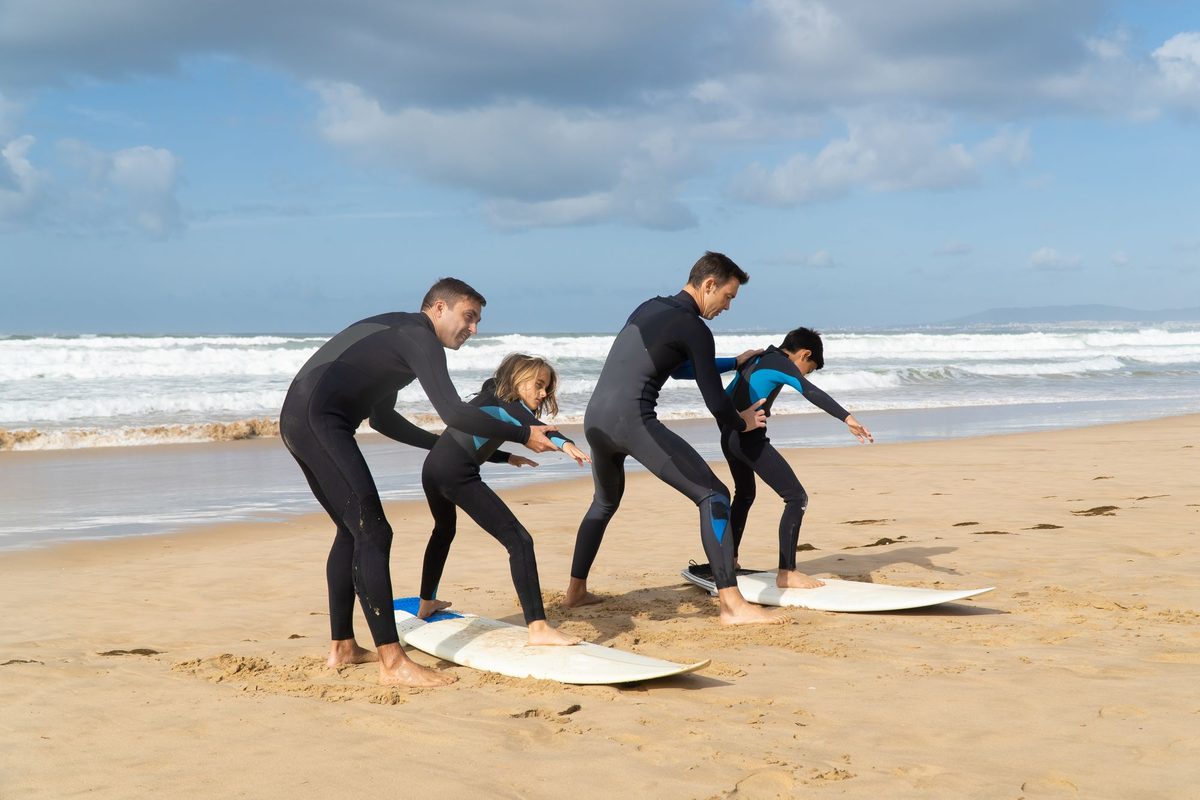
If you only have budget for one channel, start with Google Ads when people are already searching for what you sell, and start with Meta Ads when they are not. A small hotel, guesthouse or clinic-style wellness business that gets searches like "hotel in Lagos Portugal" or "massage near me" should put its first euro into Google, because that traffic is already halfway to booking. A new café, a yoga studio launching a beginners course, or a surf camp selling a week-long package usually does better on Instagram and Facebook, because nobody is searching for something they do not yet know exists.
That is the short answer. The longer answer is that most small venues eventually run both — but running both badly on a €300 monthly budget is the single most common way owners waste money on advertising.
What is the actual difference between Google Ads and Meta Ads?
Google Ads is demand capture. Someone types a query with clear intent, and you pay to appear at the moment they are looking. Meta Ads (Instagram and Facebook) is demand creation. Nobody asked to see you; you interrupt a feed with something attractive enough to stop the scroll.
That difference drives everything else — the cost, the creative you need, and how fast you see results.
| Google Ads | Meta Ads (Instagram / Facebook) | |
|---|---|---|
| Intent | High — they are searching now | Low to medium — you interrupt them |
| Best for | Rooms, treatments, "near me" services, brand defence | Launches, packages, events, low season, new venues |
| Creative needed | Text and a good landing page | Strong photo or video, refreshed often |
| Typical time to first signal | Days | 1–2 weeks |
| Cost per click | Higher, but visitors convert more often | Lower, but more browsing than buying |
| Worst failure mode | Paying for clicks a free listing would have won | Pretty ads that nobody books from |
Which one should you start with?
Start with Google if people search for your category by name or location. Hotels, guesthouses, physiotherapy and massage studios, dentists, tour operators with a known destination — these all live on search. One important caveat: if you already rank in the Google Maps local pack for your own name and category, do not pay for clicks you would have received for free. Fix your Google Business Profile first; we covered exactly how in our guide to why venues do not show up on Google Maps.
Start with Meta if what you sell needs to be seen to be wanted. A retreat weekend, a new brunch menu, a winter package at a boutique hotel, a beginners yoga course — nobody searches for these. They need a photograph of a room at golden hour or a full class in motion, plus an offer clear enough to act on immediately.
There is also a third option most owners skip: retargeting. Showing a cheap Meta ad only to people who already visited your booking page is usually the highest-return advertising a small venue can run, because the audience is tiny and already warm.
How much should you spend before you know if it works?
A realistic starting point is €10 to €20 a day on one channel for at least four weeks. Below roughly €300 a month, split across two platforms, you will not collect enough data to make a decision — you will just have two experiments that both failed to reach significance.
Three numbers tell you whether it is working:
- Cost per enquiry or booking, not cost per click. Clicks are not revenue.
- Revenue per guest from those bookings, including extras and repeat stays.
- The share of bookings that came direct rather than through an OTA — the commission you avoid is profit.
What quietly kills most small venue ad accounts
Ads fail for boring operational reasons more often than creative ones. The four we see repeatedly:
- Sending paid traffic to a homepage instead of the page for the thing being advertised.
- No one answering enquiries within the hour, so the click is paid for and the booking still goes elsewhere.
- Ads running unchanged for six months until the audience stops seeing them.
- Nobody checking whether the phone calls and DMs generated by ads were ever counted as results.
FAQ
Can I run both Google and Meta ads on a small budget? Not effectively at the start. Pick the one that matches your demand type, prove it works for a month or two, then add the second channel with retargeting as the bridge between them. Splitting €300 across both usually produces two inconclusive tests.
Are Google Ads worth it if I already rank on Google Maps? Often only for brand defence — bidding on your own name so competitors and OTAs do not appear above you. If your organic local visibility is strong for your main category, put the budget into Meta or into retargeting instead.
How long before ads produce bookings? Google can show signal within days because intent is already there. Meta usually needs one to two weeks to exit the learning phase and a creative refresh every four to six weeks. Judge either channel on a month, not a weekend.
Do I need a separate landing page for ads? Yes for anything with a specific offer. A package, a retreat or a seasonal rate needs its own page with one clear booking action. Sending that traffic to a general homepage is the fastest way to turn a good ad into a wasted click.
Where to go from here
If you are deciding between Google and Meta for the coming season, the answer depends on three things: whether people already search for your category, whether your booking flow converts, and how fast you reply to the enquiries you generate. We can look at all three with you in 20 minutes and tell you honestly which channel to fund first — even if the answer is neither.
Book a 20-minute call and we will map your first campaign. Marketing Autopilot plans start from €990/month and include ads, content, review replies and monthly reporting.