How Do Small Hotels and Wellness Studios Win Corporate and Group Bookings in 2026?
Small venues win corporate and group bookings by making one thing easy to find and fast to answer: a clear page that states capacity, a package price per person, and who to contact. Group organisers are not browsing for inspiration — they are shortlisting three venues, sending the same email to all of them, and booking whoever replies first with a usable number. A boutique hotel with twelve rooms, a yoga studio with a workshop space, or a surf camp with a beach house can all compete for this business, because the buyer cares about fit and responsiveness far more than about size.
That is the short answer. The longer answer is that most small venues never see these enquiries at all, because nothing on their website tells an organiser that groups are welcome.
Why are group bookings worth chasing?
Because they solve the two problems that hurt small venues most: empty midweek nights and dead low season. A group takes eight rooms on a Tuesday in November, or books your studio for a full Saturday, in a single transaction — and they usually book months in advance, which makes your cash flow predictable rather than hopeful.
The economics are also better per booking:
- One negotiation covers what would otherwise be six to twenty separate bookings.
- Groups almost always add food, transfers, a session or a guided activity, so revenue per guest rises well above your standard rate.
- Corporate and retreat organisers rarely book through OTAs, so you keep the commission.
- A good group experience produces an annual repeat booking — the same company, the same retreat leader, the same season next year.
Who actually sends these enquiries?
Four buyers cover most of the group business a small venue can realistically win:
- Company organisers planning a team offsite, a strategy day or a Christmas dinner. Usually an office manager or an HR lead, not a travel professional.
- Retreat leaders — yoga teachers, coaches, breathwork and wellness facilitators — who need a venue plus beds plus food and will fill it with their own audience.
- Private groups: families, friends celebrating a birthday, small wedding parties who want the whole place.
- Agencies and DMCs building an itinerary for a client, who need a fast, professional response and a rate sheet.
What does a group actually need to see before enquiring?
Everything below should be visible without them having to ask. Missing any of it costs you enquiries you never learn about.
| What they need | Why it matters | Where it goes |
|---|---|---|
| Maximum capacity — beds and seated | First filter; wrong capacity means instant exit | Page headline and meta description |
| Indicative price per person | Organisers work from a budget, not a rate card | Group or retreat page, stated as "from" |
| What is included | Food, room hire, sessions, transfers | Bulleted package list |
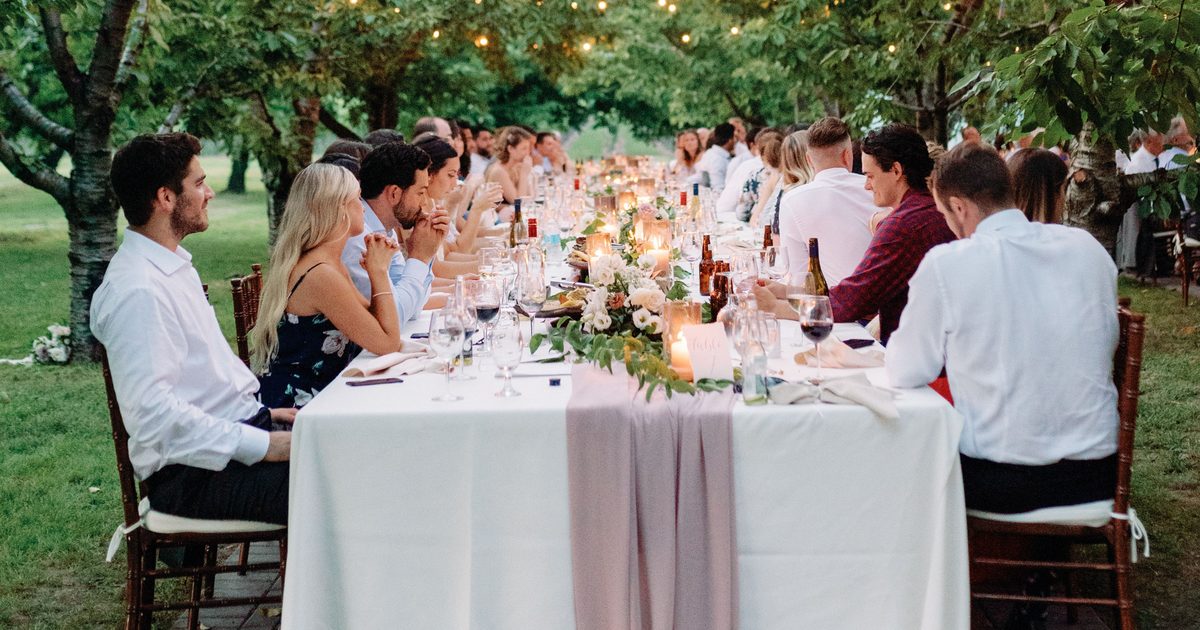
| Photos of the space in use | Proves a group fits, not just a couple | Gallery with a full room or table set |
| Available dates or seasons | Low season availability is a selling point | Simple availability note |
| A named contact and response time | Signals a human will actually answer | Enquiry form and footer |
Most small venues have all of this information — it is in the owner's head or in an old PDF. The work is putting it on one page a search engine and an AI assistant can read.
How do organisers find venues in 2026?
Increasingly by asking an assistant rather than scrolling a directory. Queries like "small hotel near Lisbon for a 20-person team offsite" or "retreat venue in the Algarve for 16 people with a yoga space" are now typed into ChatGPT, Claude or Perplexity as often as into Google. Those tools answer from pages that state facts plainly — capacity, location, price range, what is included.
This is good news for small venues. You are not competing on ad budget; you are competing on whether your website contains a clearly written answer. A single well-structured group page will often out-perform a beautiful site that never mentions groups, because the beautiful site gives an assistant nothing to quote.
The rest is follow-up. A group enquiry that arrives at 9pm on a Sunday and gets answered on Wednesday is usually lost. Acknowledging within an hour — even with a holding reply that confirms availability and promises a full quote next morning — keeps you on the shortlist.
FAQ
How small is too small for corporate bookings? Six to eight rooms is enough for a small team offsite, and a single studio room is enough for a workshop day. Small is often the selling point: companies increasingly want an exclusive-use venue where the group is not sharing space with other guests.
Should I publish group prices on my website? Publish an indicative "from" price per person. Organisers working to a budget will skip you entirely if they cannot estimate cost, and the enquiries you lose to silence are worth more than the negotiating room you protect by hiding numbers.
How far in advance do groups book? Corporate offsites typically three to six months ahead; retreats six to twelve, because the leader needs time to sell places. That means the group business for next spring is being decided now, which is exactly why a group page should not wait until the quiet season.
Do I need a separate page for groups and retreats? Yes — ideally one for corporate and one for retreats, since the buyers ask different questions. Trying to serve both from a single paragraph on your homepage is the most common reason these enquiries never arrive.
Where to go from here
If your venue can host a group and nothing on your website says so, that is the cheapest fix available to you this season. The Marketing Autopilot retainer covers exactly this work: the group and retreat pages, the SEO and AI-search content that makes them findable, AI chat that captures enquiries after hours, review replies, and one monthly report that shows what came in. You can see what that produced for other venues in our case studies, and there is more on filling quiet periods across our blog.
Book a 20-minute call and we will look at your capacity, your quiet dates and your current site, then tell you which group page to write first. Marketing Autopilot plans start from €990/month.