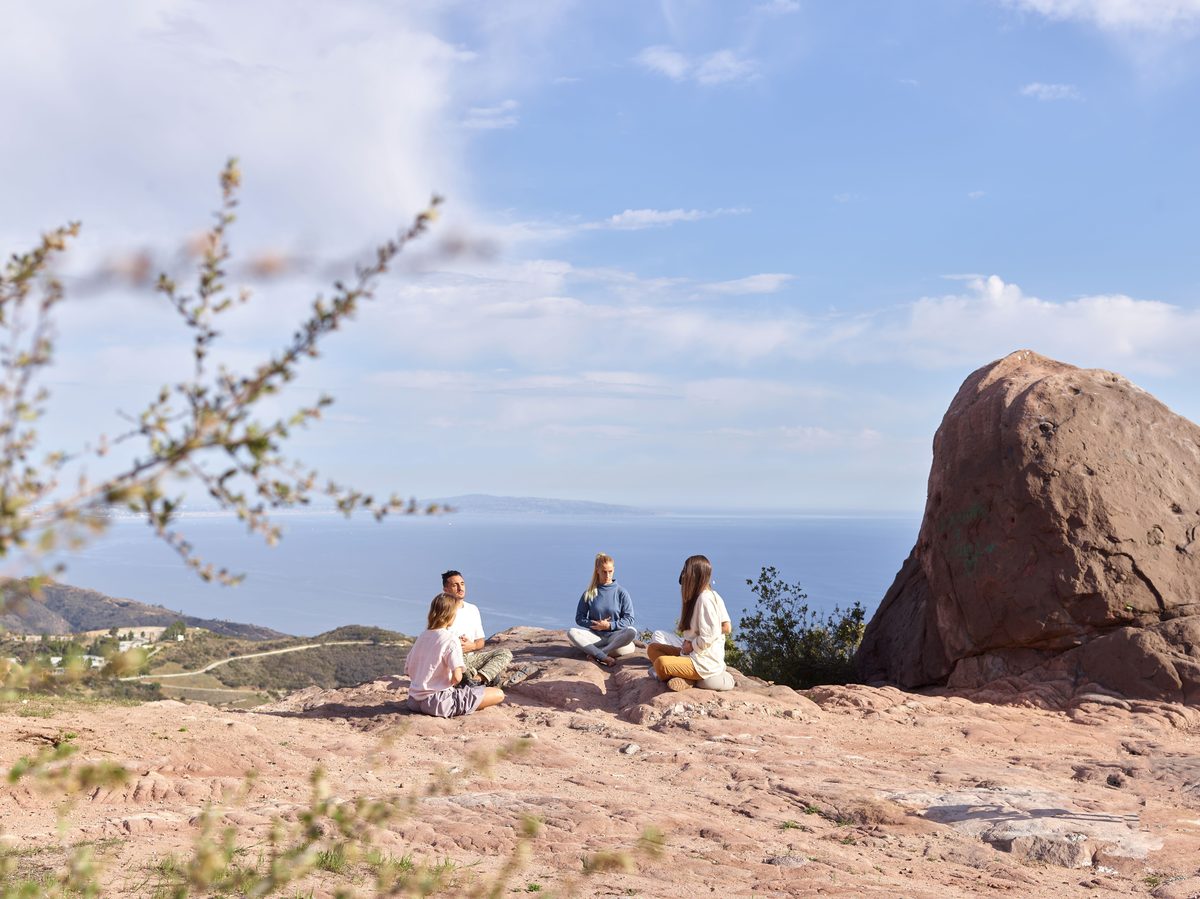
You fill a yoga or wellness retreat by announcing it four to six months ahead, selling it to your own past guests and students first, and giving people a clear reason to book now, usually an early-bird price with a real deadline. After that, one simple retreat page, a steady rhythm of reminders and fast replies to every enquiry do most of the work. Paid ads and retreat marketplaces help fill the last few places, but they rarely fill a retreat on their own.
Why do so many retreats struggle to sell out?
Most retreats don't fail because the idea is weak. They fail because they're announced too late, explained too vaguely and followed up too little. A studio posts the retreat once on Instagram eight weeks before the date, gets a dozen "this looks amazing" comments, and then wonders why only four people paid.
A retreat is a big decision for a guest. It usually means a week of holiday, flights, a few hundred to a few thousand in the local currency, and convincing a partner or employer. People need time, details and a few gentle nudges before they commit. The owner, meanwhile, is teaching classes or running a guesthouse and has no time to chase anyone.
When should you announce a retreat?
Announce a retreat four to six months before it starts, and open bookings straight away. International guests need time to book flights and leave, and early bookings give you the deposits and confidence to commit to the venue.
A practical timeline looks like this:
- 5-6 months out: announce to past guests and your email list first, with an early-bird price
- 3-4 months out: open to the public, post on social media, list on retreat marketplaces
- 6-8 weeks out: early-bird ends; send reminders to everyone who enquired but didn't book
- 2-4 weeks out: last places, small ad budget if needed, waitlist for cancellations
Who should you sell the retreat to first?
Sell it first to people who already know you: past retreat guests, regular students, newsletter subscribers and guests who left you a five-star Google review. They trust you already, so they book faster and need less persuading. Many small studios fill a third to half of a retreat from this group alone.
Give them a few days of early access before anyone else. It feels like a reward, and it creates the first bookings that make the retreat look popular when you open it to the public.
What should a retreat page include?
A retreat page should answer every question a guest would otherwise ask by message. If people have to DM you to find out the price, they often never book.
Include:
- Dates, location and how to get there from the nearest airport
- A day-by-day schedule, including free time
- Room types, what's included (meals, classes, excursions) and what isn't
- The full price per person, the deposit and the early-bird deadline
- Who it's for (beginners? experienced practitioners?) and who it's not for
- Your cancellation policy
- Photos of the venue and the teacher, plus two or three guest reviews
- A clear "Book your place" button and a quick way to ask a question
Which marketing channels actually fill retreats?
Your own list and past guests usually bring in the most bookings for the least money. Paid channels and marketplaces add reach, but they cost more per booking.
| Channel | Best for | Typical cost | Watch out for |
|---|---|---|---|
| Email to past guests and students | First and cheapest bookings | Almost free | Needs a list you've actually kept up |
| Instagram posts, stories and reels | Showing the experience, building interest | Your time | Comments don't equal bookings |
| WhatsApp or DM follow-up | Turning "interested" into "booked" | Your time | Slow replies lose guests |
| Retreat marketplaces (e.g. BookRetreats, Retreat Guru) | Reaching new international guests | Commission, often 10-20% of the booking | Less control over the guest relationship |
| Meta ads to warm audiences | Filling the last places | Small daily budgets | Wasteful if aimed at cold audiences |
| Google Business Profile and blog content | Being found by people searching "yoga retreat in [place]" | Your time | Takes months to build |
How fast should you reply to retreat enquiries?
Reply to a retreat enquiry within an hour if you can, and the same day at the latest. Someone asking about a retreat is usually comparing two or three options, and the first clear, friendly answer often wins the booking.
This is where many small studios lose places. The owner is teaching, the enquiry sits in Instagram DMs for two days, and the guest books somewhere else. An AI assistant on your website and WhatsApp can answer the common questions (dates, price, what's included, beginners welcome?) instantly, at any hour, and pass serious enquiries to you with the details already collected. We cover why speed matters so much in our article on how fast to reply to booking enquiries.
What about the people who say "maybe"?
Follow them up, politely and on a schedule. Most retreat bookings come after the second or third contact, not the first. A simple sequence works well: a thank-you with the retreat page the same day, a short note a week later with a guest story or a day-by-day photo, and a reminder a few days before the early-bird ends.
None of this is pushy if it's helpful. And none of it should depend on the owner remembering to do it at 11pm.
Real example: a small studio filling a coastal retreat
A yoga studio running a 7-day coastal retreat for 16 guests announces it five months ahead. Past students get three days of early access and book 6 places. Public launch plus a few reels and weekly stories bring around 40 enquiries, and fast replies plus two follow-ups turn 7 of those into bookings. A marketplace listing adds 2 more. A small ad budget to people who already visited the retreat page fills the last place three weeks before the start date.
No single channel did it. The combination of early timing, a clear page and consistent follow-up did. That's the same pattern we see in the venues behind our case studies.
FAQ
How many people do I need to break even on a retreat? Work out your fixed costs (venue, teacher fees, food, transport, marketing) and divide by your price per guest after any commission. Many small retreats break even at roughly 60-70% occupancy, so price and size the retreat so that you aren't relying on the last few places to make it worthwhile.
Should I take a deposit or full payment? Take a non-refundable or partly refundable deposit at booking, often 20-30%, with the balance due 6-8 weeks before the start. Deposits turn interest into commitment and protect you if someone drops out.
Are retreat marketplaces worth it? They're worth it for reaching new international guests, especially for your first retreats. Just treat them as an extra channel for the last places, not your main one, because the commission adds up and you don't own the guest relationship.
What if the retreat isn't filling 8 weeks out? Go back to everyone who enquired, ask past guests to bring a friend, and run a small ad to people who already visited your retreat page. If it's still well below break-even, it's better to postpone early than cancel late.
Want your next retreat to fill itself?
Our Marketing Autopilot handles the work that fills retreats: content and SEO, instant AI replies to enquiries, Google review replies, sensible ads and a clear monthly report. It's a fixed monthly fee, month to month, and you stay focused on teaching. You can read more practical guides on our blog.
Book a free 20-minute call and we'll show you what we'd set up for your next retreat.