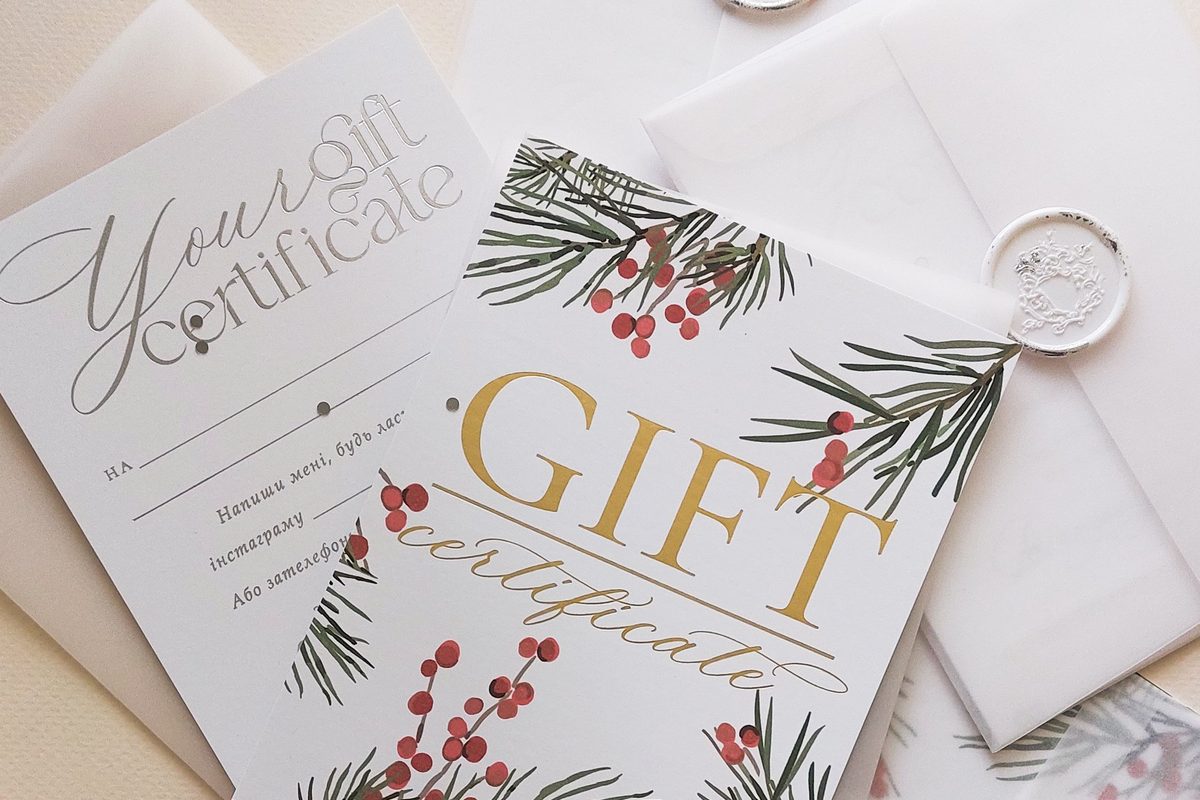
A small hotel, restaurant or spa sells more Christmas gift vouchers by putting them on sale online by mid-November, selling named experiences ("a spa afternoon for two") rather than plain amounts, and offering them to past guests before anyone else. Vouchers that are delivered instantly by email also capture the last-minute buyers who shop between 20 and 24 December. With a voucher page, a few reminders and fast answers to questions, December can become one of your strongest cash months, even in low season.
Why are gift vouchers worth the effort for small venues?
Gift vouchers bring in cash in December for visits that usually happen in January to April, which are the quietest months for many venues. They also bring in new guests: the person who receives a voucher has often never visited you, and many spend more than the voucher's value once they arrive.
Yet many small venues still sell vouchers only at the front desk or by phone. If someone searches "spa gift voucher" or "dinner voucher" at 10pm on 21 December and can't buy one from your website in two minutes, they'll buy from someone who lets them.
When should you start selling Christmas vouchers?
Start selling by mid-November, and announce it to your own guests in the last week of November. Early buyers are often organised gift-givers and companies buying for staff. The biggest wave comes in December, and the final days before Christmas are usually busy because a voucher is the classic last-minute gift.
A simple timeline:
- Late October to early November: set up the online voucher shop and voucher page, decide your packages
- Mid-November: go live; add vouchers to your Google Business Profile and website menu
- Late November (Black Friday week): email past guests with early access or a small bonus
- Early to mid-December: social posts, a reminder email, a small ad budget to warm audiences
- 20-24 December: "Instant delivery by email" message everywhere; a last reminder email
- January to March: remind recipients to book, and make redeeming easy
What kind of vouchers sell best?
Experience vouchers usually sell better than plain cash amounts. "A sunset dinner for two" or "a 60-minute massage and hammam" is easier to picture and easier to give than "€80 credit". Keep a cash-amount option for people who want flexibility, but lead with three or four clear packages.
| Voucher type | Example | Best for | Watch out for |
|---|---|---|---|
| Named experience | Spa afternoon for two, tasting menu for two | Most gift-buyers; easy to choose | Keep what's included clear and up to date |
| Overnight stay package | One night with breakfast and late checkout | Small hotels and guesthouses | Set blackout dates in advance |
| Cash amount | A set value usable on anything | Buyers who want flexibility | Feels less personal; lower average value |
| Bundle with an extra | Voucher plus a small product or welcome drink | Raising the average spend | Make sure the cost of the extra fits your margin |
| Corporate pack | 10-50 vouchers for staff or clients | Getting large orders in one go | Needs invoicing and bulk delivery |
How should vouchers be sold online?
Sell them through your website with instant payment and automatic delivery by email as a nicely designed PDF the buyer can print or forward. Many booking and POS systems already include a voucher module, and dedicated voucher tools exist too. Pick one that gives each voucher a unique code, tracks what has been redeemed, and lets the buyer choose a delivery date.
Your voucher page should answer every question before it's asked: what's included, how long the voucher is valid, how to book, whether it can be used on weekends, and how fast it arrives. Check the rules in your country before setting an expiry date. In Australia, for example, most gift cards must be valid for at least three years.
Where should you promote your vouchers?
Promote them first to the people who already know you, then to people searching for gifts nearby.
- Past guests and your email list: usually your cheapest and best-converting channel. Two or three short emails between late November and 22 December are enough.
- Google Business Profile: add a voucher post and a link. People search "gift voucher" plus a type of venue and a town in December.
- Your website: a "Gift vouchers" link in the main menu and a banner on the home page from mid-November.
- Instagram and Facebook: show the experience, not the voucher. Use reels of the room, the treatment or the dish, and put the buying link in stories.
- Small Meta ads: aimed at people who visited your website or follow your page. A modest daily budget for the two weeks before Christmas is usually plenty for a small venue.
- Local companies: a short note offering staff or client gift packs can bring one large order.
Do customers ask questions before buying vouchers?
Yes, constantly. "Can it be used in summer?", "Can I add a message?", "Does it arrive today?" Every unanswered question in your DMs or inbox in December is a lost sale. This is where an AI assistant on your website and WhatsApp pays for itself: it answers these questions instantly, at any hour, and sends the buyer straight to the voucher page. We covered why speed matters in our article on how fast to reply to booking enquiries.
How do you turn vouchers into extra revenue?
Make redemption easy and plan for it. Send voucher holders a friendly reminder in January with your quietest available dates, offer an upgrade when they book ("add a glass of wine" or "add 30 minutes"), and ask for a Google review after their visit. Steering redemptions into slow weeks helps fill your quiet months, which we cover in our guide to filling the low season.
Real example: a small day spa
Take a day spa with four treatment rooms that only sold paper vouchers at reception. It launches an online voucher shop in mid-November with three packages, emails 1,200 past clients twice, adds a voucher post to Google and runs a small ad to website visitors for two weeks. Around half of the online sales come in the final ten days before Christmas, many of them late in the evening, all delivered instantly by email. In January and February, voucher holders fill weekday slots that would otherwise have been empty. Results like this are the pattern behind our case studies.
FAQ
Should I offer a discount on Christmas vouchers? Usually not. Vouchers sell well at full price in December. If you want a hook, add a small extra instead, such as a welcome drink or an upgraded treatment, which protects your prices.
How long should a gift voucher be valid? Long enough that people feel comfortable giving it. Twelve months is common, but check your local rules first, because some countries set a legal minimum. Australia, for example, requires most gift cards to last at least three years.
Can a restaurant or hotel sell vouchers without a full booking system? Yes. A standalone voucher tool connected to your website and payments works fine. What matters is instant delivery, unique codes and a simple way to check whether a voucher has been used.
What about vouchers that are never redeemed? Some vouchers will go unused, but don't plan around it. Reminding holders to book builds goodwill, brings in extra spend on the day and turns recipients into returning guests.
Want your vouchers to sell themselves this December?
Our Marketing Autopilot handles the work behind a strong voucher season: SEO content, instant AI replies to guest questions, Google review replies, sensible small-budget ads and a clear monthly report. It's a fixed monthly fee, month to month, and you stay focused on your guests.
Book a free 20-minute call and we'll show you what we'd set up for your Christmas voucher season.