The interior design industry is experiencing a seismic shift. What once required weeks of manual mood board creation, back-and-forth client revisions, and painstaking 3D rendering can now happen in hours — thanks to artificial intelligence.
For small and mid-sized interior design studios, AI is not just a fancy add-on. It is becoming the competitive edge that separates thriving practices from those struggling to keep up with client expectations and razor-thin margins.
The Problem: Too Much Admin, Not Enough Design
If you run an interior design studio, you already know the pain. Between sourcing materials, managing client communications, creating proposals, scheduling site visits, and chasing invoices, the actual creative work often takes a back seat.
Studies show that interior designers spend up to 40% of their working hours on administrative tasks. That is nearly half your week gone — not designing, but organizing.
Meanwhile, clients in 2026 expect faster turnarounds, photorealistic renders before any work begins, and seamless communication through digital channels. The gap between what clients expect and what a small studio can deliver is widening every year.
How AI Closes the Gap
Here is where AI automation steps in — not to replace the designer's creative eye, but to amplify it.
1. AI-Powered Renders and Visualization
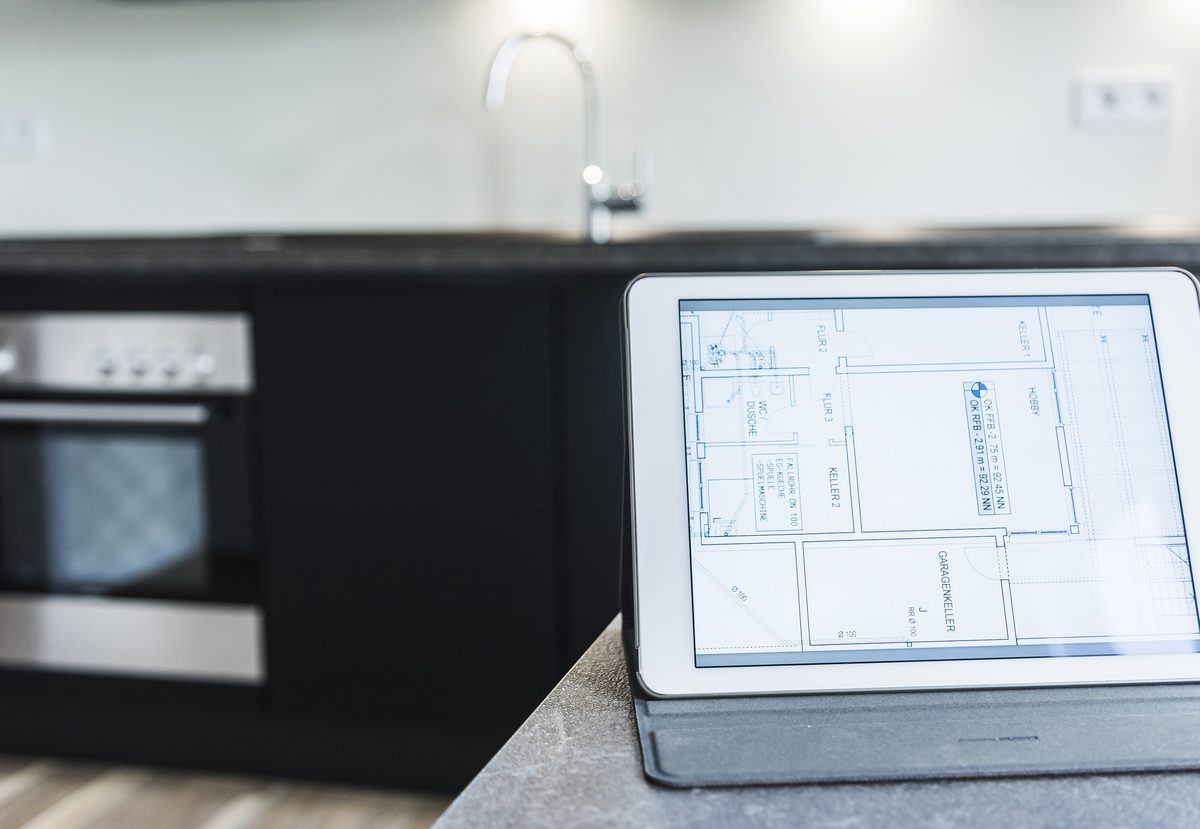
Tools powered by generative AI can now take a simple floor plan or even a photo of an empty room and produce photorealistic design concepts in minutes. Instead of spending days on a single 3D render, designers can generate multiple style options — minimalist, Scandinavian, industrial, Mediterranean — and let the client choose their preferred direction before any detailed work begins.
This alone can cut the proposal phase from two weeks to two days.
2. Intelligent Client Communication
An AI chatbot on your website can handle initial inquiries 24/7, qualify leads by asking the right questions (budget range, project type, timeline), and book consultations directly into your calendar. No more missed leads because you were on-site when a potential client reached out.
For existing clients, AI assistants can provide project status updates, share design previews, and collect feedback — all without requiring you to type a single email.
3. Automated Material Sourcing
AI systems can scan supplier catalogs, compare prices, check availability, and even suggest alternative materials that match your design intent but fit within the client's budget. What used to require hours of browsing supplier websites now happens in seconds.
4. Smart Project Management
From automatically generating project timelines based on scope, to sending reminders to contractors and clients, AI-powered project management eliminates the mental overhead of tracking dozens of moving parts across multiple active projects.
5. Financial Automation
Proposals, invoices, expense tracking, and revenue forecasting can all be automated. AI can even analyze your past projects to suggest optimal pricing for new ones, ensuring you are neither undercharging nor pricing yourself out of the market.
Real Impact: What the Numbers Say
Interior design studios that have adopted AI automation report significant improvements:
- 60% faster proposal-to-approval cycles
- 35% reduction in administrative time
- 25% increase in client capacity without hiring additional staff
- Higher client satisfaction due to faster communication and realistic previews
Getting Started Without the Overwhelm
You do not need to overhaul your entire workflow overnight. The smartest approach is to start with the area that causes the most friction:
1. If you lose leads → Start with an AI chatbot for your website 2. If proposals take too long → Adopt AI rendering tools 3. If admin eats your day → Automate invoicing and scheduling first
The key is choosing tools that integrate with your existing process rather than forcing you to learn an entirely new system. This is exactly how we approach implementation at TodsAI — we build AI solutions that fit around your workflow, not the other way around.
The Competitive Reality
Here is the uncomfortable truth: your competitors are already exploring these tools. The studios that embrace AI in 2026 will deliver better client experiences, complete more projects, and build stronger reputations. Those that wait will find themselves competing on price alone — a race to the bottom that nobody wins.
The interior design industry has always been about vision. AI simply gives you the tools to execute that vision faster, smarter, and more profitably.
Ready to Transform Your Studio?
At TodsAI, we help interior design studios implement AI automation that actually works — from intelligent chatbots that capture and qualify leads, to workflow automation that eliminates repetitive tasks. Every solution is tailored to your specific needs, and most studios see measurable results within the first month.
Book a free strategy call and discover how AI can give your studio the competitive edge it deserves. No jargon, no hard sell — just a clear roadmap to working smarter.
Explore more industry insights on our blog to see how businesses like yours are leveraging AI in 2026.