The logistics industry is under more pressure than ever. Customers expect same-day delivery, margins are razor-thin, and one missed shipment can cost you a client. If you're running a logistics or courier company in 2026, AI automation isn't a luxury — it's your competitive edge.
Here's exactly how AI is reshaping logistics operations, and what you can implement today to stay ahead.
The Problem: Too Many Moving Parts, Too Little Visibility
Logistics companies juggle route planning, inventory tracking, customer communication, driver scheduling, and returns — often with spreadsheets, phone calls, and manual processes. The result? Late deliveries, wasted fuel, unhappy customers, and staff buried in admin work.
Studies show that logistics companies lose up to 30% of operational efficiency due to manual processes and poor coordination. In an industry where every minute counts, that's money walking out the door.
How AI Automation Solves It
1. Intelligent Route Optimization
AI analyzes real-time traffic data, weather conditions, delivery windows, and vehicle capacity to calculate the fastest and most fuel-efficient routes. Companies using AI-powered routing report 15–25% reductions in fuel costs and significantly faster delivery times.
Instead of a dispatcher manually plotting routes each morning, the system generates optimized routes for every driver in seconds — and re-routes dynamically when conditions change.
2. Automated Customer Communication
Your customers want to know where their package is — right now. AI chatbots and automated notification systems handle tracking inquiries, delivery confirmations, and rescheduling requests 24/7 without human intervention.
This alone can reduce customer service calls by 60–70%, freeing your team to handle exceptions rather than routine "where's my package?" questions. Learn how AI chatbots work for businesses.
3. Predictive Demand Forecasting
AI models analyze historical data, seasonal trends, and market signals to predict demand spikes before they happen. This means you can pre-position inventory, schedule extra drivers, and negotiate better carrier rates — all before the rush hits.
For courier companies handling e-commerce fulfillment, this is transformative. No more scrambling during Black Friday or holiday peaks.
4. Smart Warehouse Management
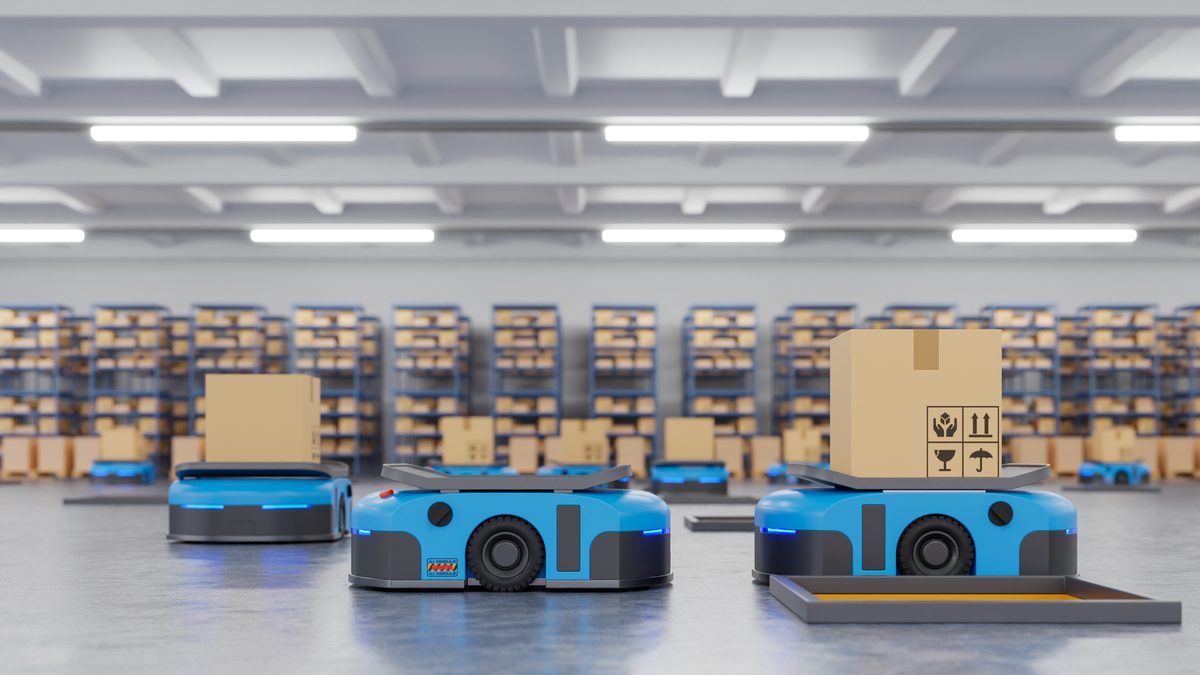
AI-powered warehouse systems optimize picking routes, automate inventory counts, and flag stock discrepancies in real time. Automated sorting systems can process packages 3–5x faster than manual operations while reducing errors to near zero.
5. Automated Invoicing and Documentation
Customs paperwork, proof of delivery, invoicing, damage claims — logistics generates enormous amounts of paperwork. AI extracts data from shipping documents, auto-generates invoices, and flags discrepancies before they become disputes.
Companies implementing document automation report 80% faster processing times and far fewer billing errors.
Real-World Impact: The Numbers
A mid-sized courier company in Southern Europe implemented AI automation across routing, customer communication, and warehouse operations. Within six months:
- Delivery times dropped 22%
- Fuel costs decreased 18%
- Customer complaints fell by 45%
- Administrative workload reduced by 35 hours per week
Why 2026 Is the Tipping Point
Three factors make this the right time to act:
1. AI tools are now affordable for small and mid-sized logistics companies, not just enterprise players 2. Customer expectations have permanently shifted — real-time tracking and instant communication are table stakes 3. Labor costs keep rising, making automation the most sustainable path to profitability
Companies that adopt AI automation now will compound their advantages. Those that wait will find it increasingly difficult to compete on price, speed, or service quality.
Getting Started
You don't need to overhaul your entire operation overnight. The most effective approach is to start with the highest-impact, lowest-friction automation:
1. Customer communication — deploy an AI chatbot for tracking and scheduling 2. Route optimization — implement AI-powered routing for daily dispatches 3. Document processing — automate invoicing and delivery confirmations
Each of these can be implemented in weeks, not months, with measurable ROI from day one.
Ready to Automate Your Logistics Operations?
At TodsAI, we specialize in building custom AI automation solutions for logistics and delivery companies. From intelligent chatbots to end-to-end workflow automation, we help you move faster, spend less, and deliver better.
Book a free strategy call and let's map out exactly how AI can transform your logistics business in 2026. Check out more insights on our blog.