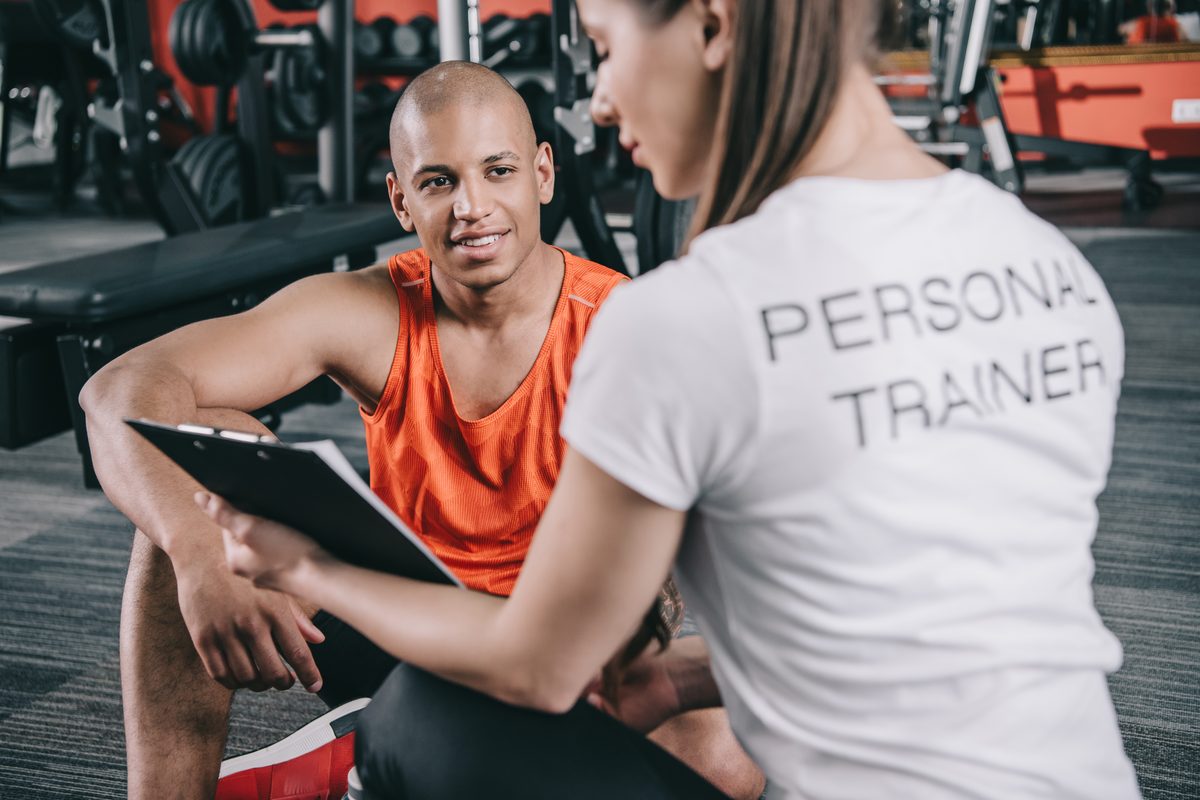
Most personal trainers and online fitness coaches share the same paradox: the better they get at their craft, the less time they have to actually coach. A solo trainer with 30 clients can easily spend 15–20 hours a week on admin — chasing payments, rescheduling missed sessions, writing programs in spreadsheets, answering the same nutrition questions on Instagram DMs, posting on social, and trying to remember which client is on week 3 of a hypertrophy block. In 2026, the coaches who are growing fastest aren't the ones working longer hours. They're the ones who quietly hand off the repetitive 80% of their business to AI and spend the freed-up time on programming, client results, and content.
The real problem isn't lead generation — it's capacity
Talk to any successful personal trainer or online coach and they'll tell you the bottleneck isn't usually finding clients. It's serving the ones they already have without burning out. A typical 1-on-1 online coaching client generates roughly 40–60 admin touchpoints per month: check-ins, form review videos, program tweaks, payment reminders, accountability nudges, motivation messages, FAQ replies. Multiply that by 25–40 clients and the math collapses. Most coaches cap their roster artificially low — not because they couldn't sell more, but because the back-end would break.
AI automation changes that ceiling. Done right, it doesn't replace the coach — it removes the parts of the job that aren't actually coaching.
Where AI is moving the needle for fitness coaches in 2026
1. Lead intake and qualification on autopilot. An AI chatbot on your website or Instagram DM funnel can run a discovery conversation 24/7 — asking about goals, training history, injuries, budget, time commitment — and book a sales call only with leads who fit your ideal client profile. Coaches we've worked with report a 60–70% drop in unqualified discovery calls within the first 30 days.
2. AI-assisted program design. AI doesn't replace the programming intuition you've built over years, but it eliminates the grunt work — generating a starting template based on a client's intake form, autofilling progressive overload schemes, and flagging when a client's recent check-in data suggests a deload. You still review and tweak, but a process that took 45 minutes now takes 10.
3. Daily accountability and check-ins. This is where most coaches lose clients. The AI sends personalized morning check-ins (steps, sleep, nutrition adherence, mood), aggregates the data into a weekly dashboard, and flags only the clients who are slipping. You stop manually messaging 40 people every Monday and start having higher-quality conversations with the 5 who actually need you.
4. Payment automation and dunning. Failed cards, expired subscriptions, refund requests — all of it handled automatically with branded, on-tone reminders. Recovered revenue alone often pays for the entire automation stack.
5. Content repurposing. One 30-minute podcast or live becomes 8 Instagram clips, 3 carousel posts, a newsletter, and a blog article — generated, captioned, and queued without you opening a single editor.
6. Multilingual support. If you coach internationally, an AI assistant fluent in 20+ languages can handle the first layer of communication, freeing you to coach instead of translate.
A real-world snapshot
A Greece-based online fitness coach we worked with at TodsAI was capped at 28 clients in early 2026, spending roughly 18 hours a week on non-coaching work. After implementing a chatbot for intake, an automated check-in flow connected to her CRM, and AI-assisted content repurposing, she grew to 47 clients in 90 days while reducing her admin time to under 5 hours a week. The unlock wasn't more marketing — it was capacity. The leads were already there; she just couldn't serve them.
What to automate first (and what to never automate)
The instinct is to automate everything at once. Don't. The coaches who get this right always start in the same place:
1. Lead intake — highest ROI, lowest risk of breaking the client relationship. 2. Payment and renewal flows — recovers revenue you're already losing. 3. Check-ins and reminders — builds adherence without taking your time. 4. Content distribution — multiplies your reach with no extra production work.
What you should never fully automate: the actual coaching conversation, the post-PR celebration, the message to a client going through a hard week. Your judgment and warmth are the product. AI's job is to give you more time to deliver them, not to imitate them.
How the implementation actually works
You don't need to be technical. A modern automation stack for a fitness coach typically connects: your website or landing page → an AI chatbot for intake → your CRM (HubSpot, GoHighLevel, or similar) → your payment processor → your messaging tool (WhatsApp, Instagram, email) → your content scheduler. The full process usually takes 1–3 weeks to set up and starts paying for itself within the first month through recovered revenue and added client capacity.
The most common mistake we see coaches make is trying to DIY it with 7 different no-code tools that don't quite talk to each other. The whole point of automation is that it works while you sleep — if it breaks every two weeks, you've just bought yourself a second job.
The bottom line
In 2026, the gap between coaches who automate and coaches who don't is no longer a productivity gap — it's a business model gap. The ones who automate are running 3-figure rosters with cleaner deliverables, better retention, and more time to actually train clients. The ones who don't are capped at 25 clients and burning out.
If you're a personal trainer or online fitness coach and you've been hitting a ceiling that feels more like an admin problem than a marketing problem, AI automation is the lever. At TodsAI, we build done-for-you AI automation stacks for fitness coaches — chatbots, intake flows, check-in systems, content engines — so you can focus on what you actually do best. Book a free 30-minute strategy call and we'll map out exactly what would move the needle for your business. Or browse more on our blog for industry-specific automation playbooks.