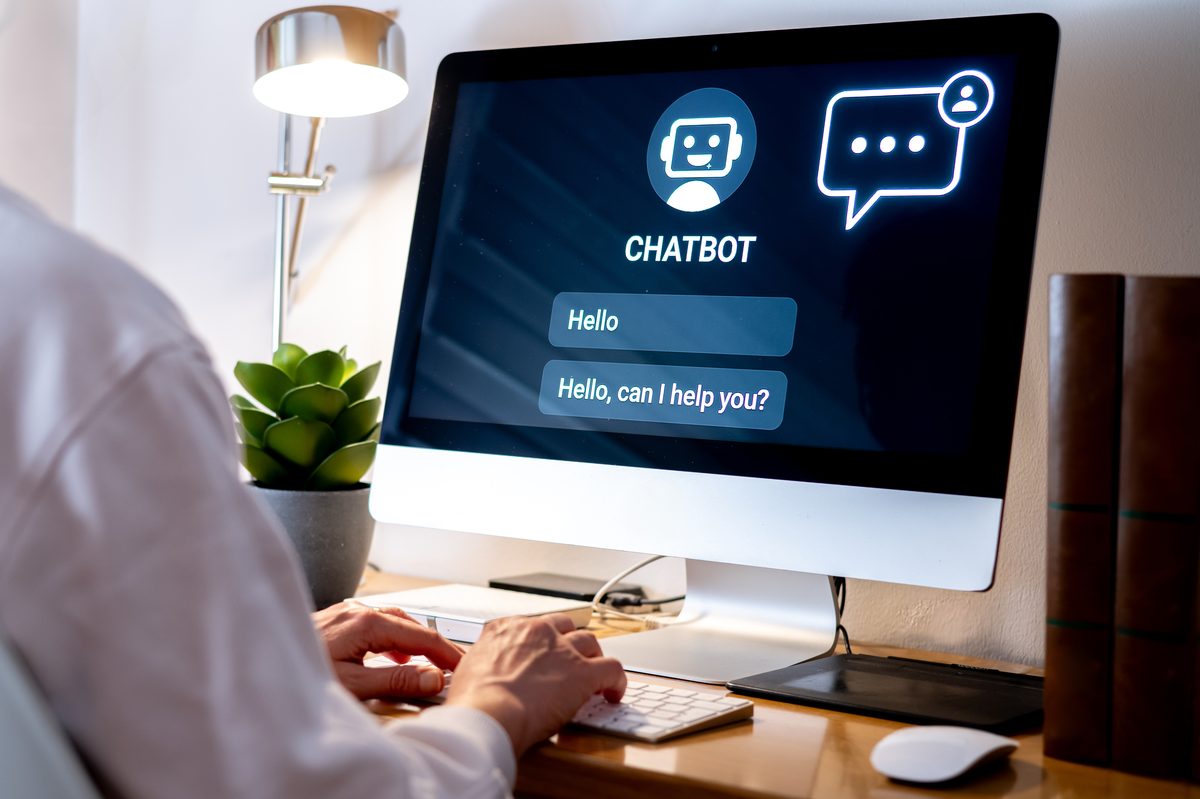
Your website already reaches the world. A tourist in Athens, a wholesaler in Munich, a shopper in Dubai — they can all find you at 2 a.m. The problem is what happens next. If your only reply is in English (or only in Greek), most of them quietly leave. Language is the silent conversion killer of cross-border business, and in 2026 it's the easiest one to fix.
Multilingual AI chatbots have crossed a threshold. They no longer feel like clumsy auto-translators. They understand intent, hold a natural conversation, and switch languages instantly — often mid-sentence — without a single extra hire. For small and medium businesses that want to sell beyond their own borders, this is one of the highest-return moves available this year.
The problem: you're losing customers you never see
Here's the uncomfortable math. Studies of online buyers consistently show that around 70% strongly prefer to buy in their native language, and more than half will abandon a purchase if support isn't available in a language they're comfortable with. These aren't customers who complain — they simply bounce, and you never know they were there.
For a business in a tourism-heavy or export-driven market, the leak is enormous. A hotel fielding inquiries from six countries, a Greek olive-oil producer selling to Northern Europe, a clinic attracting medical tourists — every non-native visitor who hits a language wall is revenue walking out the door in silence. Hiring multilingual staff for each market is slow and expensive. Outsourced translation of live chats is even slower. Meanwhile the customer has already booked with a competitor.
The solution: one AI agent, every language, instantly
A modern multilingual chatbot detects the visitor's language automatically and responds in it — fluently, in the right tone, with the correct currency and cultural context. The same bot that answers a German family's question about breakfast times can, in the next conversation, help an Arabic-speaking client check availability, then quote prices to a French buyer. No shift schedules, no translation agency, no delay.
What makes today's systems different from the translation widgets of a few years ago is depth. Good implementations don't just translate words; they:
- Understand intent across languages — recognizing that "do you have room for two nights?" and its equivalent in Italian or Turkish mean the same thing and trigger the same booking flow.
- Stay on-brand in every language — using a warm, professional voice rather than robotic literal translation.
- Handle the whole journey — answering FAQs, capturing leads, taking bookings, and escalating to a human only when it genuinely matters.
- Work everywhere your customers already are — website, WhatsApp, Instagram, and email, so a visitor never has to switch channels to be understood.
Real examples of what this unlocks
Consider a boutique hotel in the Cyclades. Before, front-desk staff answered emails in English during business hours, and inquiries in German, French, or Chinese either went cold or got delayed by a day. After deploying a multilingual assistant, guests get instant answers in their own language, 24/7 — and direct bookings climb because there's no friction and no waiting.
Or take an e-commerce brand shipping across Europe. A multilingual bot handles "where is my order?" in Polish, sizing questions in Dutch, and return policies in Spanish — deflecting the majority of repetitive tickets while the human team focuses on complex cases. Support costs drop, response times fall to seconds, and reviews improve because customers finally feel understood.
The through-line is speed and comfort. When a prospect can ask a question the moment they think of it, in the language they think in, and get an accurate answer instantly, hesitation disappears. That is exactly where sales are won or lost.
What implementation actually looks like
The biggest misconception is that this is a huge IT project. It isn't. A focused multilingual chatbot can typically go live in a matter of days, not months. The work is less about technology and more about capturing your business knowledge — your services, prices, policies, and the way you like to speak to customers — and letting the AI carry it across languages.
A sensible rollout looks like this: define the handful of languages that matter most for your market, feed the bot your real FAQs and offers, connect it to the channels your customers use, and set clear rules for when a human should step in. From there it improves continuously as it sees more conversations. We walk through this step by step in our how it works overview, and you can explore more practical guides on the TodsAI blog.
The bottom line for 2026
International customers are already knocking. The only question is whether they hit a wall or a welcome. Multilingual AI chatbots turn every visitor — wherever they're from, whatever language they speak — into a conversation you can actually win, without expanding your team or your hours.
If you serve customers across borders, or want to, this is one of the clearest ROI moves you can make this year. TodsAI builds multilingual AI chatbots that speak your customers' language — in 20+ languages, live in days. Book a free strategy call and we'll map exactly which languages and channels will move the needle for your business.